Introduction
In emergency situation situations, the ability to acknowledge signs of no breathing can imply the difference between life and fatality. Comprehending exactly how to evaluate a casualty's condition quickly and successfully is essential for any person that may find themselves in a rescue situation. This write-up delves deep right into the important elements of determining no breathing, discussing essential techniques, procedures, and the significance of maintaining calmness during a dilemma.

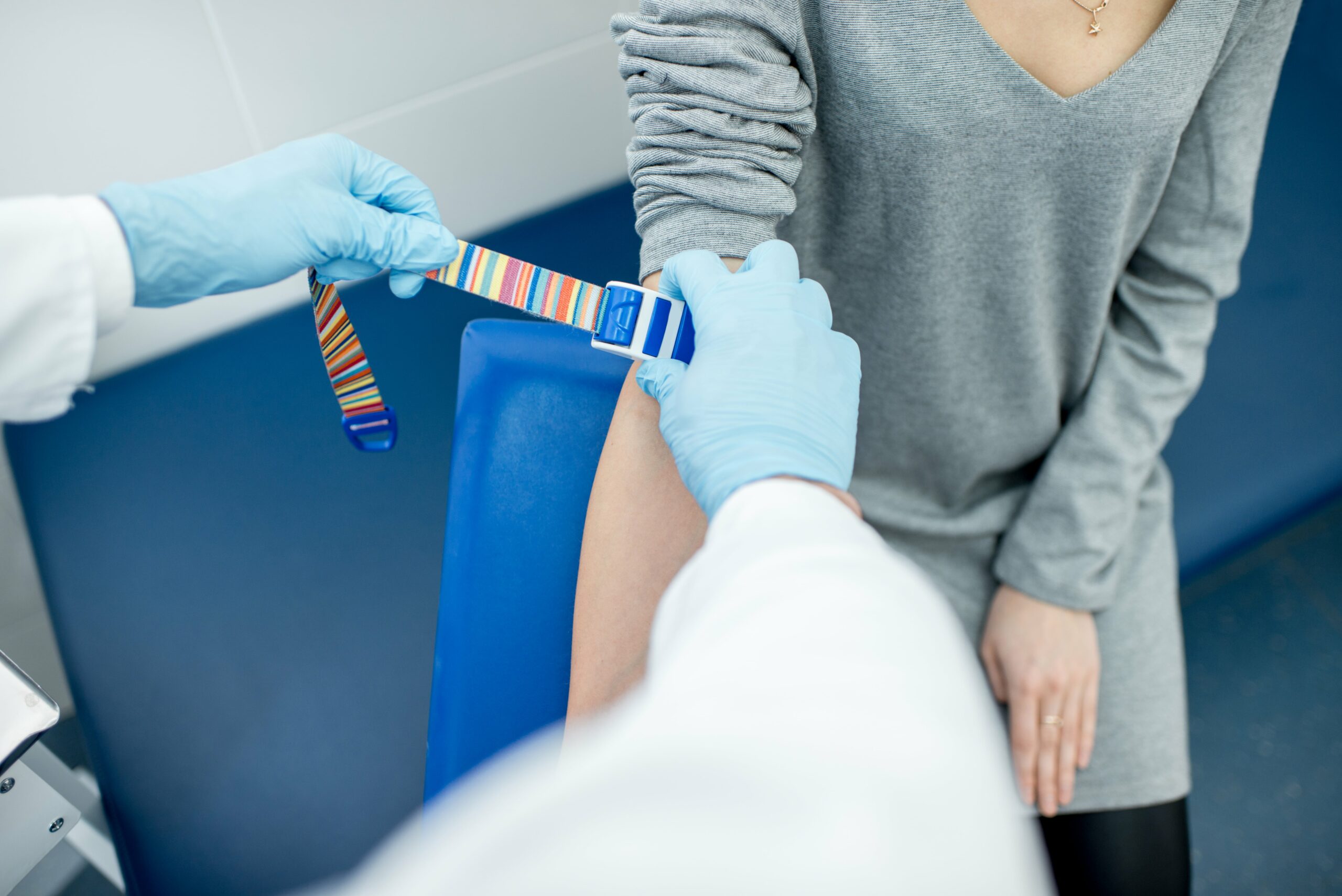
When faced with an unconscious person, knowing what to search for and how to respond can conserve lives. This detailed overview will attend to different elements of emergency action, from fundamental vs advanced life assistance to public defibrillator usage, ensuring that every rescuer is fully equipped with knowledge.
Identifying No Breathing: Indications Every Rescuer Need To Recognize
Identifying no breathing is a crucial skill every rescuer should possess. When somebody is less competent, assessing their breathing needs to be your first step. An individual might appear drab; nonetheless, it's important not to jump to verdicts without doing a detailed evaluation.
Understanding the Basics of Inspecting Responsiveness
When approaching a casualty, your initial job is examining responsiveness. You can do this by gently trembling their shoulders while loudly asking if they are alright. If there's no response after a number of attempts, you have to wage assessing their breathing.
Key actions include:
Safety First: Ensure the setting is safe for both you and the casualty. Call for Help: If the person is less competent and not breathing typically or in all, call emergency solutions or ask somebody else to do so. Positioning: Meticulously put the casualty on their back on a firm surface.Evaluating Breathing in Emergency situation Situations
Once you have actually established that the individual emergency First Aid course Brisbane CBD is less competent, it's time to inspect if they're breathing.
Look: Observe the breast for any type of increase and fall. Listen: Place your ear near to their mouth and nose; listen for breath sounds. Feel: Put your cheek near their mouth to really feel for breath.If you spot no indicator of breathing within 10 secs, start CPR immediately.
Signs of No Breathing
The lack of regular breathing can materialize in numerous ways:
- The breast continues to be motionless. There are no distinct breaths. The person doesn't display signs of gasping.
Recognizing these indications swiftly enables you to act quickly-- critical consider enhancing survival rates during cardiac events.
Basic vs Advanced Life Assistance Techniques
It's paramount for rescuers to understand various degrees of life assistance when managing breathing emergencies.
What Is Basic Life Support (BLS)?
Basic life assistance consists of vital skills like CPR and choking alleviation techniques that anybody can learn with BLS qualification training courses. It concentrates on maintaining circulation till innovative care arrives.
Components of BLS
- Chest compressions Rescue breaths Automated exterior defibrillator (AED) usage
Advanced Life Assistance (ALS)
Advanced life support involves much more complex medical interventions typically done by healthcare specialists. It consists of:
- Intubation Medication administration Advanced monitoring equipment
While the majority of people will only need BLS skills in emergency situations, recognizing ALS principles aids you value the broader context of emergency situation treatment delivery.
Public Defibrillator Usage
In situations where cardiac arrest occurs first aid training cairns due to absence of breathing, using an AED can significantly improve survival chances.
How Does an AED Work?
An Automated External Defibrillator assesses heart rhythms and supplies shocks if essential to re-establish efficient heartbeats:
Power it on. Attach pads according to aesthetic instructions. Follow sound prompts till EMS shows up or the sufferer shows indicators of recovery.
Importance of Public Accessibility AEDs
Having easily accessible public defibrillators increases area durability versus abrupt heart attack cases by equipping everyday people with lifesaving tools!
Maintaining Composure During Emergencies
In high-stress situations, remaining calm is crucial for effective activity. Panic can shadow judgment and decrease essential responses.
Tips for Staying Calm
- Take deep breaths prior to engaging. Focus on clear actions as opposed to overwhelming emotions. Remind yourself that every 2nd matters; acting decisively saves lives!
Taking Activates Compressions: The Relevance of Teamwork
When several rescuers exist, taking turns carrying out chest compressions makes best use of efficiency while reducing tiredness-- necessary throughout prolonged resuscitation efforts!
How To Turn Efficiently
Establish a clear interaction technique (e.g., "button!"). Switch every 2 minutes or when fatigue establishes in. Make certain compressions remain constant during transitions.Finding the Right Compression Deepness and Rate
Proper compression depth and rate are vital for effective mouth-to-mouth resuscitation that flows blood successfully:
Compression Depth
The advised deepness for grown-up targets goes to the very least 2 inches but not going beyond 2.4 inches while guaranteeing sufficient recoil after each compression.
Compression Rate
Aim for a price between 100-- 120 compressions per minute-- this associates with songs like "Stayin' Alive" by Gees!
Hospital Codes and Methods Related to Respiratory System Emergencies
Every healthcare facility has specific codes that alert staff regarding breathing emergencies-- understanding these codes can facilitate quicker responses:
|Code|Summary|| ------|-------------|| Code Blue|Clinical emergency situation needing prompt focus|| Code Red|Fire alarm/evacuation method|| Code Orange|Dangerous materials case|
Familiarity with these codes boosts control among medical care teams throughout crises!
FAQs Concerning Recognizing No Breathing
What ought to I do if I'm unclear whether someone is breathing?- If doubtful, always presume they're not; begin mouth-to-mouth resuscitation immediately!
- Yes! A lot of AEDs have pediatric pads available-- adhere to tool instructions accordingly.
- It's recommended every 2 years; standards progress frequently!
- Yes! Using proper individual safety devices (PPE) lessens threats while offering essential aid.
- While improper technique may decrease efficiency slightly, any effort at mouth-to-mouth resuscitation greatly raises survival opportunities contrasted to doing nothing!
- Training isn't mandatory but highly encouraged; several public places use educational sessions!
Conclusion
Identifying no breathing is just one of those essential skills that need method and confidence-- a mix that originates from training like BLS qualification courses coupled with real-world experience in managing emergency situations successfully!

Always keep in mind: Every 2nd issues when responding! By learning exactly how best to evaluate casualties swiftly while using appropriate methods like taking turns on compressions or identifying hospital protocols-- even making use of public defibrillators-- we come to be equipped helpers prepared when others need us most!
Stay prepared; remain informed-- and do not wait! You may simply save a life today!